
Walk into any parking lot and you'll see it: paint that's lost its glow, covered in a web of fine swirls. That haze isn't damage you can wash away — it's below the surface, and fixing it is called paint correction.
What causes swirl marks?
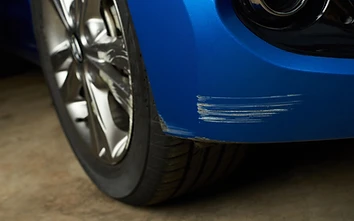
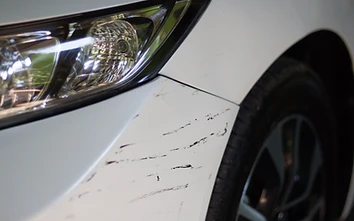
Swirl marks are micro-scratches in the clear coat, usually from:
- Improper washing (dirt dragged across paint)
- Automatic car washes with rotating brushes
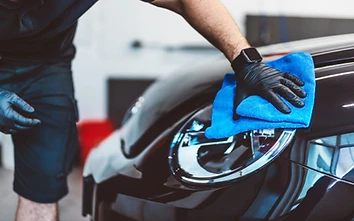
- Dry wiping with a dirty towel
- Improper drying techniques
How correction works
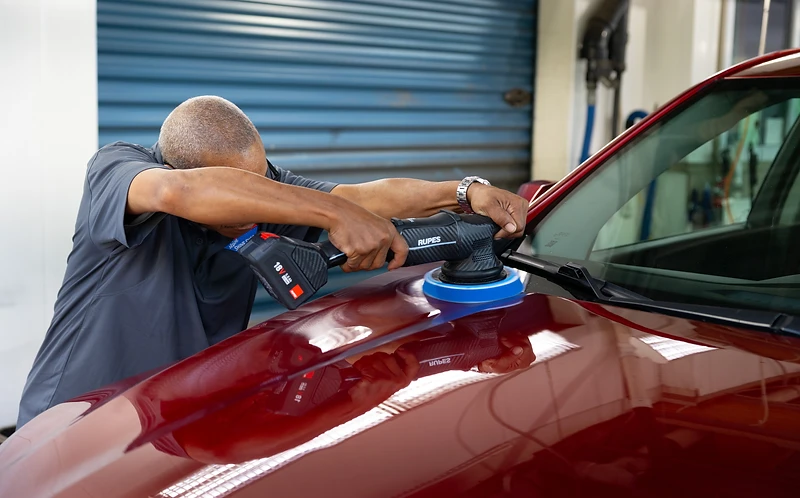
Paint correction uses machine polishers and abrasive compounds to level the clear coat, removing the scratches that scatter light. The result is a surface that reflects cleanly — depth, gloss, and clarity return.
The two-stage process
A proper correction is usually two stages: a cutting compound removes the deeper defects, then a finishing polish refines the surface to a flawless gloss. Single-stage work handles lighter hazing.
Correction removes a tiny fraction of clear coat — done right, it's safe. Done wrong, it can burn through. That's why it's best left to a pro.
Is correction right for your car?
If your paint looks dull even when clean, or you see swirls under streetlights at night, correction will transform it. Pair it with a ceramic coating and you'll lock in that glass-like finish for years.